
Why This Masterclass Matters

After a suicide loss, many people find themselves trapped in painful questions:

“Why didn’t I see it?”
“Could I have stopped it?”
“Was there something more I should have done?”

These thoughts are incredibly common – but they are not a reflection of truth.
They are a reflection of how trauma impacts the brain, the nervous system, and our need to make sense of something that feels impossible to understand.

This masterclass has been created to help you gently step out of that cycle of self-blame and into a place of understanding, compassion, and steadiness.

What You’ll Learn

In this free session, you will:

Understand the Psychology of Guilt After Suicide
Learn why the brain searches for responsibility after traumatic loss – and why this is a natural survival response, not a personal failing.

Discover How Trauma Lives in the Body
Explore how shock, grief, and guilt become “stuck” in the nervous system, and why talking alone often isn’t enough to release them.

Experience Gentle Regulation Practices
Be guided through simple, trauma-informed techniques to calm overwhelm, reduce emotional intensity, and create a sense of internal safety.

Begin to Separate Love From Responsibility
Start loosening the belief that you were meant to carry something that was never yours to hold.

Who This Is For

This masterclass is for you if:

  • You feel weighed down by guilt or regret after losing someone to suicide

  • You replay conversations or moments, wondering what you missed

  • You feel responsible, even when others tell you that you shouldn’t

  • You want understanding that goes deeper than “it’s not your fault”

  • You are looking for compassionate, structured support — at your own pace

You do not need to be “ready” to heal.
You simply need to be willing to listen.

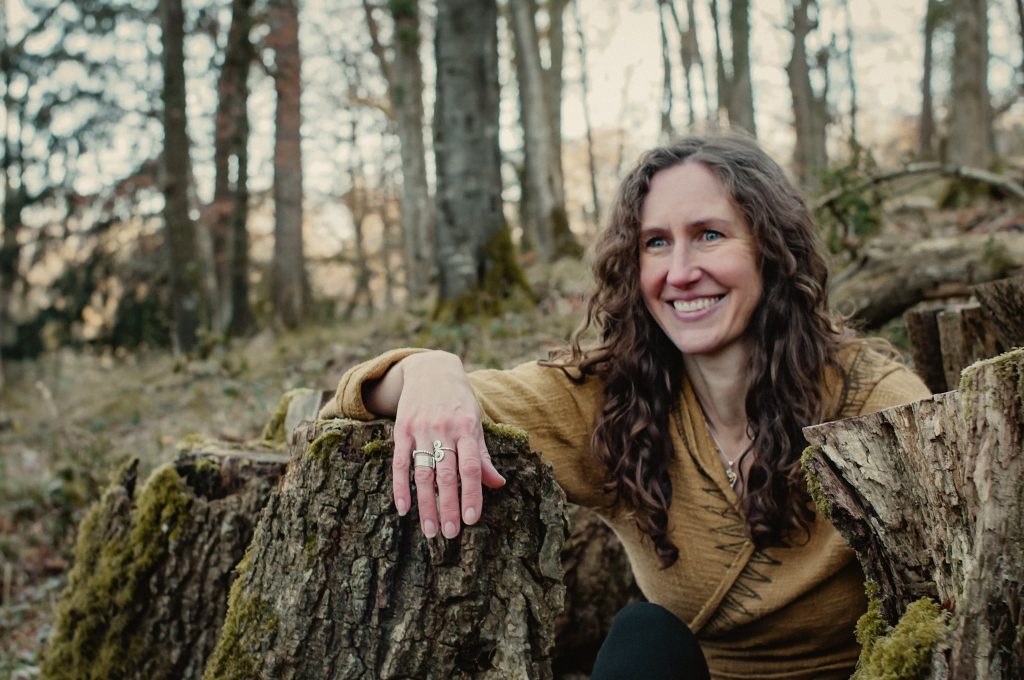
Hi my name is Sue. And I get it.

If you’re reading this then it’s because you’re living with a kind of pain few truly grasp. I’ve been there too.

When my brother took his own life in 2015, it felt like everything I knew was shattered. He wasn’t just family – he was my friend, my sense of safety, the person I relied on most.

His loss left me grappling with guilt, confusion, and a silence so heavy it felt suffocating. Even as someone training to become a psychologist, I felt lost – completely unequipped to face this heartbreak.

So, I did what many of us do: I kept moving forward. I stayed strong, held myself together, and tried to ignore the pain. For a while, it seemed to help. But eventually, the grief caught up, and I found myself exhausted, disconnected, and questioning everything – who I was now, what life could offer, and if healing was even possible.

But healing is possible. And it begins with small, intentional steps.

Now, I work with those navigating the complicated path of suicide loss. Together, we move beyond merely surviving to build lives filled with meaning and hope. You don’t have to face this alone – and you don’t have to erase your love or your grief to heal.